Why Quail Belong on Your Homestead
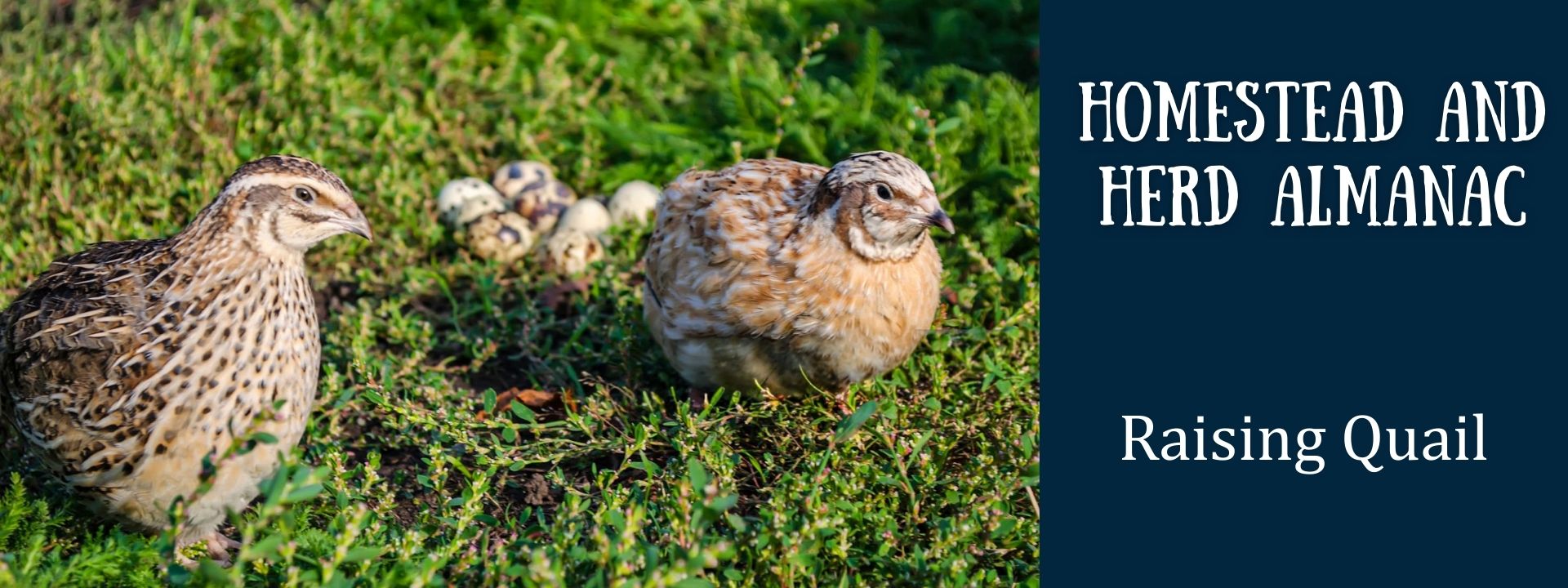
If you’re looking to add livestock that are quiet, efficient, and productive, quail deserve a serious look. These small birds pack an impressive return for the space they require, making them an excellent option for both rural homesteads and tighter properties where chickens may not be allowed.
Quail are prolific layers, producing 250-300 eggs per year, and they mature quickly – often beginning to lay at 6-8 weeks old. They’re also fast-growing meat birds, ready for harvest in about 7 weeks, which makes them one of the most efficient poultry options available.
Housing Quail on the Homestead
Proper housing is the foundation of successful quail keeping. While they’re hardy birds, they do require thoughtful design to stay healthy and stress-free.
Space and Structure
- Minimum Space: 1 square foot per bird
- Height: 8-10 inches is ideal to prevent injury during flushing (their instinctive vertical flight response)
- Enclosures: Fully enclosed, predator-proof housing is essential
Rabbit hutches often work very well for quail, especially when they have three solid sides to block wind and weather. This setup provides both security and protection while remaining compact and efficient. A slanted floor can help with easy egg collection.
Predator Protection
Quail are vulnerable to predators, particularly rats and cats. Use hardware cloth rather than chicken wire and secure all openings. Even small gaps can be an invitation to disaster.
Ventilation and Bedding
Ventilation is critical to prevent ammonia buildup from droppings, which can cause respiratory issues. Airflow should be steady but draft-free.
Good bedding options include:
- Pine Shavings
- Sawdust
- Sand
Daily Care and Management
Feeding
Quail have different nutritional needs as they grow:
- Chicks: 24-28% Protein Gamebird
- Adults: 20-24% Protein Gamebird; Layers will need more calcium
As quail mature, protein becomes less important, while calcium and fiber play a larger role in maintaining egg production and overall health. Gamebird feed is ideal, but Chick Starter, Poultry Grower, or Mega Layer can work with proper supplementation.
Water
Fresh, clean water is non-negotiable, especially in winter. Frozen water is one of the biggest threats to cold-weather quail health.
Lighting
To maintain egg production, quail require 14-16 hours of light per day. Supplemental lighting during winter can help if consistent egg production is desired.
Breeding Management
To prevent fighting and stress:
- Keep males separate, or
- Maintain strict ratios of 1 male to 5-8 females
Raising Quail Chicks
Baby quail are incredibly small and fragile, but they grow rapidly with proper care.
Brooding Basics
- Temperature: Start at 95°F the first week, reducing by 5°F each week
- Flooring: Use shop towels or paper towels for the first two weeks – wood shavings can be difficult for chicks to walk on
- Waterers: Add marbles or small rocks to prevent chicks from falling in and drowning
By two weeks, quail chicks are fully feathered and no longer need a heat lamp or special waterer. At this point, they can be moved to a grow-out cage.
Cold Weather and Winter Care
One of the most surprising benefits of quail – especially Coturnix quail – is their cold hardiness. With proper shelter, they handle winter remarkably well.
Winter Hardiness
Quail can tolerate temperatures as low as 20°F provided they’re protected from:
- Wind
- Damp conditions
- Prolonged extreme cold
Heat lamps are strongly discouraged due to fire risk and the danger of sudden heat loss during power outages. Instead, focus on insulation and allowing birds to acclimate naturally.
Winter Housing Setup
- Use solid walls to block drafts
- Insulate with foam panels, straw bales, or repurposed materials
- Add small, covered vents near the roofline for moisture control
Bedding and Flooring
Deep bedding is especially effective in winter:
- Straw, wood shavings, or hemp
- Thick layers insulate and protect feet
- The deep-litter method can generate natural warmth through decomposition
Turn bedding occasionally to reduce ammonia buildup and add fresh layers as needed to keep conditions dry and healthy.
Placement and Wind Protection
Place the coop near a wall or fence for natural wind protection. Additional windbreaks like hay bales or tarps can make a big difference. Outdoor aviaries can be wrapped with heavy-duty plastic to block snow and icy winds while still allowing light in.
Keeping Quail Active and Stress-Free
Winter confinement can lead to boredom, feather picking, and aggression. Simple enrichment goes a long way:
- Scatter feed or seeds for foraging
- Add hiding spots with straw bundles or small boxes
- Rotate enrichment items like hanging vegetables
- Use mirrors sparingly to avoid overstimulation
Quail thrive on routine, especially during stressful seasonal changes. Consistent feeding, watering, and cleaning schedules help keep birds calm and productive. Dust baths (sand or soil) and hiding spots help reduce stress and aggression.
Breeds to Consider
- Coturnix (Japanese) Quail: Best choice for eggs and meat
- Bobwhite Quail: Typically raised for game bird training
Pros and Cons of Raising Quail
Pros
- Fresh eggs and fresh meat
- Can be raised where chickens aren’t allowed
- Require very little space
- Easy to process emotionally and physically
- No extra freezer needed
- Highly efficient and sustainable
Cons
- Upfront housing costs
- A lot of manure for their size
- Limited breed varieties
Are Quail Right for Your Homestead?
Quail are some of the most efficient and accessible livestock options for homesteaders looking to maximize production without expanding acreage. With quick turnaround, quiet behavior, and minimal space requirements, they fit seamlessly into a wide range of operations.
For those willing to invest in proper housing and daily care, quail offer an impressive return – making them a small bird with big homestead potential.