Raising Pigs on Pasture: Maximize Health, Efficiency, and Flavor
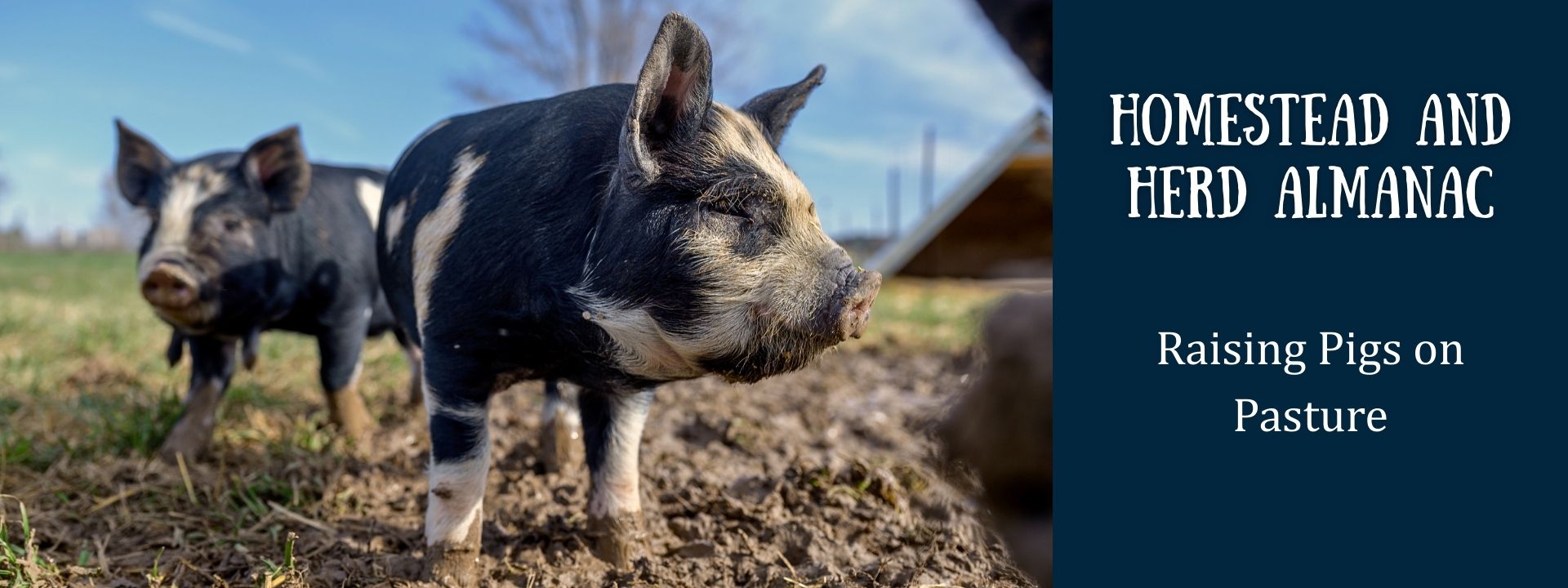
Raising pigs on pasture is more than a trend – it’s a sustainable, efficient, and rewarding way to manage your herd. Pasture-raised pigs enjoy fresh air, natural forage, and space to express their instinctive behaviors, while also providing measurable benefits to your land, feed budget, and overall operation. With the right planning, infrastructure, and management, raising pigs on pasture can improve animal health, boost production, and create higher quality pork, all while working in harmony with your farm or homestead ecosystem.
Why Raise Pigs on Pasture?
Pasture systems are beneficial for both pigs and the land they live on. when managed correctly:
- Feed costs can be reduced: Foraging for grasses, legumes, and supplemental crops allows pigs to access nutrients directly from the pasture, reducing reliance on purchased feed.
- Animal health improves: Pigs raised in a pasture environment have more space to move, explore, and root, which supports strong muscles, healthy joints, and natural behaviors.
- Soil fertility increases: Pigs are natural “tillers”, and their nutrient-rich manure can improve soil structure and boost pasture productivity when managed properly.
- Flavor and quality of meat are enhanced: Pasture-raised pork is widely regarded as more flavorful, with better texture and marbling, making it a premium product for your freezer or market.
Space Requirements and Pasture Management
Pigs don’t require enormous amounts of space, but how much room they have directly impacts their health, behavior, and your ability to maintain pasture quality.
- Minimum space: About 80 sq ft per pig is the bare minimum, but giving them more room reduces stress, preventing over-concentration of manure, and improves overall welfare.
- Ideal pasture space: For a true pasture-raised system, aim for 200-400 sq ft per pig. This allows you to rotate paddocks efficiently, prevents excessive soil disturbance, and gives plants time to recover.
Rotational grazing is essential. Pigs are excellent natural tillers – they will root and dig, which helps fertilize soil but can quickly damage pastures if overused. Large paddocks and a structured rotation schedule ensure soil remains healthy, forage regrows, and pigs continue to benefit from fresh grazing areas.
The First Week: Setting Up for Success
The first week with new pigs is a critical window for establishing long-term health. Proper gut health supports feed efficiency, nutrient absorption, and growth. One simple yet effective strategy is:
- Add 6 cups of apple cider vinegar to a 55-gallon waterer. This helps maintain gut balance, reduces parasite load, and supports a healthy digestive system, giving pigs a strong start.
Monitoring pigs closely during this period ensures that any issues are caught early, and establishing routines for feeding, water, and shelter helps them adapt quickly to their new environment.
Shelter and Wallows: Comfort Matters
Pigs need protection from both sun and harsh weather. Simple shelters can be built using:
- Hog or cattle panels with t-posts and a tarp
- Repurposed pallets with a weatherproof cover
- Hoop-style structures for larger groups
Wallows are equally important. These shallow, muddy areas allow pigs to thermoregulate – cooling off during hot days. Covering wallows with shade cloth or a tarp can prevent them from overheating and encourages natural cooling behavior. Providing clean, dry shelter and shaded wallows ensures pigs remain healthy, comfortable, and stress-free.
Fencing and Pen Design
Pigs are intelligent and persistent diggers. A few strategies can help keep them contained while maintaining natural behaviors:
- Place a single strand of electric wire inside the pen at ground level to deter digging. Avoid placing electric wires near entrances or gates – pigs will remember and refuse to pass through.
- Design pins in rectangular shapes instead of squares or circles. Pigs naturally avoid soiling their feeders areas, and this layout maximizes distance between feed, water, and manure zones.
- Keep water sources away from housing and feeding areas to maintain cleaner pens and reduce odors.
Proper pen design, combined with rotational grazing, reduces maintenance keeps pigs happy, and protects pasture health.
Feeding Strategies for Pasture Pigs
Feeding pasture-raised pigs requires a balance between pasture forage and supplemental feed. Key considerations include:
- Free-feeding is often best: Giving pigs continuous access to feed supports steady growth, improves feed conversion, and reduces competition.
- Pasture forage: High-protein legumes like clover and alfalfa, grasses like smooth bromegrass, and winter options like winter rye provide essential nutrients, fiber, and enrichment.
- Supplemental feed: While pasture provides a lot, a quality pig feed ensures pigs receive sufficient protein, vitamins, and minerals to reach their genetic potential.
A pasture-based feeding programs not only reduces costs but also encourages natural behaviors, support health, and can improve meat quality.
Manure Management and Soil Benefits
Pig manure is a natural fertilizer than can significantly enhance pasture productivity. To maximize benefits:
- Spread manure evenly with a drag harrow in larger paddocks
- Rotate paddocks to prevent over-concentration of nutrients and soil compaction
- Choose pigs with short, upturned snouts if minimizing rooting damage is a priority.
Managed properly, pigs improve soil fertility, help control weeds, and contribute to a healthier, more sustainable pasture ecosystem.
Choosing Breeds for Pasture
Some pig breeds are particularly suited to pasture systems due to temperament, growth rate, and natural rooting behavior:
- Berkshire
- Tamworth
- Idaho Pasture Pig
- Red Wattle
- Chester White
- Kune Kune
- Mangalitsa
- Hampshire
When selecting pigs, consider traits like snout length (short, upturned snouts reduce pasture damage), growth efficiency, and adaptability to your local climate.
The Benefits for Your Operation
Raising pigs on pasture isn’t just about better pork – it’s a strategy that can transform your operation:
- Cost-effective feeding: Pasture reduces feed requirements, lowering your input costs.
- Healthier pigs: Fresh air, exercise, and forage contribute to stronger immune systems, better weight gain, and fewer health issues.
- Stronger, more resilient pastures: Thoughtful rotational grazing and manure management improve soil health and productivity.
- Premium pork: Pasture-raised pork is flavorful, tender, and highly valued by customers and consumers.
- Sustainable practices: Integrating pigs into a pasture system supports regenerative agriculture, improves nutrient cycling, and promotes environmental stewardship.
With proper planning, infrastructure, and care, raising pigs on pasture can be a cornerstone of a sustainable, profitable, and rewarding operation.
Raising pigs on pasture is a win-win for both your animals and your land. With thoughtful planning, proper shelter, rotational grazing, and balanced nutrition, you can raise healthy, happy pigs while improving soil fertility, reducing feed costs, and producing high-quality pork. Whether you’re looking to enhance your small flock or build a more self-sufficient operation, pasture-raised pigs offer a sustainable, efficient, and rewarding approach that benefits your herd, your land, and your bottom line. By investing in the right setup and management practices, you’re setting your pigs – and your operation – up for long-term success.